Selecting an appropriate fountain for your outdoor space is about much more than aesthetics. It involves considering factors like size, type, functionality, and the overall impact you want to create in your landscape. A well-placed fountain can serve as a focal point, enhance the ambiance of a garden or patio, and even contribute to the local ecosystem. Understanding how to choose the right fountain requires balancing beauty with practicality.
Understanding Fountain Types
Fountains come in various styles and types, each offering unique characteristics that cater to different settings and preferences. Broadly speaking, fountains can be classified into three main categories: wall-mounted fountains, freestanding fountains, and pond fountains. Each type has its own advantages depending on the intended use and available space.
Wall-Mounted Fountains
Wall-mounted fountains are ideal for smaller spaces where floor area is limited. They attach directly to a wall and can create a stunning visual effect without taking up valuable ground space. These fountains often incorporate intricate designs that add character to patios or gardens. However, they may not produce as much sound as larger types since their water flow is typically more contained.
Freestanding Fountains
Freestanding fountains offer versatility in terms of placement and design options. They can be positioned anywhere in your landscape design, making them excellent focal points in gardens or courtyards. These fountains come in various materials such as stone, fiberglass, or metal, allowing you to choose one that complements your existing decor. The sound of flowing water from freestanding models can provide a calming backdrop for outdoor gatherings.
Pond Fountains
Pond fountains serve dual purposes: they aerate water bodies while adding visual appeal to ponds or lakes. These fountains can range from small models suitable for backyard fish ponds to large installations designed for commercial properties. The movement created by these fountains not only enhances aesthetics but also promotes healthy aquatic ecosystems by preventing stagnation.
Size Matters: Finding the Right Dimensions
Determining the right size for your chosen fountain is crucial for achieving maximum impact within your landscape design. An oversized fountain can overwhelm a small garden while an undersized one may go unnoticed in larger spaces. Here are some guidelines on how to find the perfect dimensions:
Proportionality: A fountain should be proportionate to its surroundings. Consider the height of nearby plants or structures when selecting a fountain's height. For instance, if you have tall hedges surrounding a central area, opt for a taller fountain that won't get lost among them.
Viewing Distance: Think about where people will generally stand when viewing the fountain—be it from seating areas or pathways—and ensure it is tall enough to be appreciated from those vantage points.
Water Capacity: The size of the basin plays an important role too; larger basins hold more water and provide stability against evaporation and other environmental factors.
Landscape Scale: If your property features expansive lawns or gardens filled with larger elements such as trees or sculptures, consider opting for larger-scale fountains that harmoniously integrate with these elements rather than competing against them.
Functionality Needs: Reflect on how you plan to use this feature—will it attract wildlife? Will children play near it? This will affect both size choices as well as material selections based on durability and maintenance requirements.
Materials Used in Fountain Construction
The material selected for your fountain significantly influences both its appearance and longevity. Common options include:
- Stone: Natural stone offers durability and an organic aesthetic but tends to be heavier and may require more structural support. Fiberglass: Lightweight yet sturdy, fiberglass allows intricate designs while facilitating easier installation. Metal: Stainless steel or copper provides modern appeal but requires maintenance to prevent tarnishing over time. Concrete: Ideal for custom designs; concrete offers strength but often entails higher labor costs due to its weight during installation.
Choosing materials should reflect not only personal taste but also practical considerations such as climate conditions (e.g., freezing temperatures) which may impact durability over time.
Integrating Water Features into Landscape Design
Fountains should enhance rather than dominate their surroundings; thus careful integration into existing landscaping is vital for maximizing impact while maintaining harmony across elements within the design scheme.
Color Schemes
Consider color palettes when selecting both plants surrounding your fountain as well as the finishing touches applied directly onto it—such as paint outlines around edges—to ensure cohesion across components present throughout gardenscape areas.
Lighting Effects
Strategic lighting elevates any feature after dusk; installing underwater lights within basin areas creates mesmerizing reflections at night while highlighting cascading waters effectively adds charm by capturing attention from afar during evening gatherings outdoors—giving guests something beautiful (and relaxing) upon which they may focus amidst social activities!
Surrounding Flora & Fauna
Incorporating plant life strategically around fountains encourages biodiversity; many species thrive off moisture generated through splashing droplets which enriches soil quality nearby—thereby optimizing growth potential—for example ornamental grasses might frame edges beautifully whilst attracting butterflies pollinators who benefit greatly!
Maintenance Considerations
Once installed correctly ensuring long-term enjoyment relies heavily upon diligent upkeep routines tailored specifically toward chosen designs/materials utilized previously mentioned earlier!
Regular cleaning keeps algae growth at bay aiding clarity views while checking pump functionality ensures consistent water flow preventing stagnant pools prone towards mosquito breeding risks otherwise avoided easily through proactive measures taken throughout seasons passed (especially summer months).
Additionally understanding principles governing irrigation systems proves beneficial! Integrating smart irrigation controls https://springfieldlandscapingservices.com/about/ alongside traditional timers enables effective management leading toward sustainable practices promoting eco-friendliness—a factor increasingly prioritized today amongst homeowners seeking balance between beauty nature conservation efforts alike!
Smart Irrigation Systems
For those keen on sustainability alongside aesthetic appeal investing into smart irrigation solutions yields countless rewards! Automated systems allow precise scheduling based upon real-time weather patterns eliminating unnecessary water waste—as excessive moisture proves detrimental both financially environmentally alike—benefiting landscapes holistically fostering healthier ecosystems overall benefiting diversity flourishing throughout every season irrigation maintenance experienced ahead!
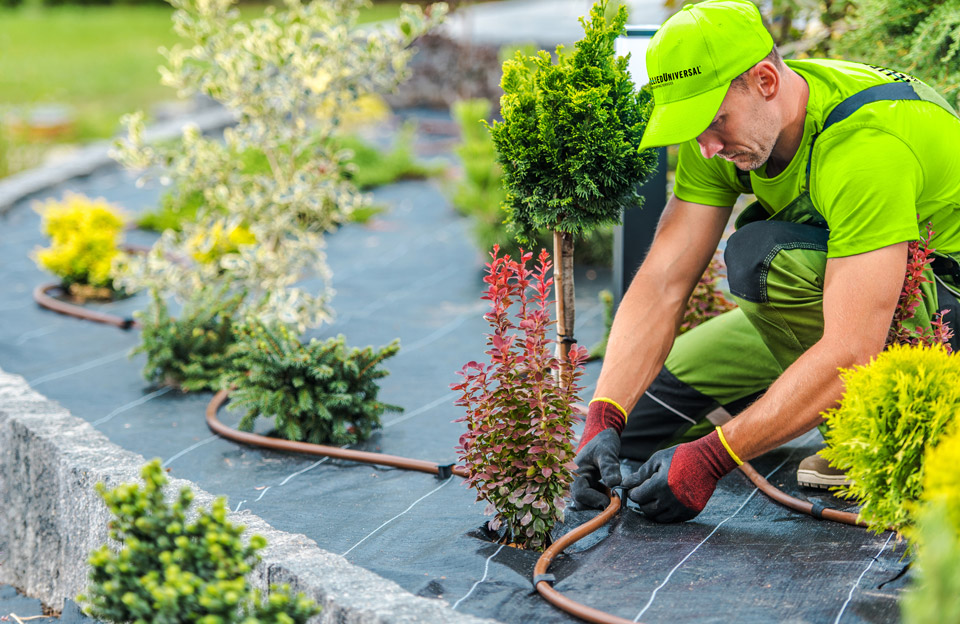
Implementing drip irrigation systems allows targeted watering methods minimizing evaporation loss translating into tangible savings realized over time without compromising beauty maintained across vibrant floral displays enjoyed outdoors!
Smart management tools enable users efficiency tracking usage metrics ensuring alignment goals set forth prior allowing adjustments made swiftly whenever necessary sustaining healthy environments established initially perhaps years back continually evolving alongside changing climates encountered regularly nowadays!
By combining beautiful aesthetics with mindful planning centered around ecology one achieves harmonious landscapes showcasing striking visual effects whilst remaining attuned toward nurturing earth’s resources responsibly—it’s all interconnected creating lasting impressions felt far beyond initial visits enjoyed regardless seasons pass year after year creating memories cherished ultimately growing deeper roots firmly planted beneath surfaces visible external layers seen above ground level.
Final Thoughts
The process of selecting an appropriate fountain encompasses numerous considerations rooted deeply within personal preferences balanced against functional needs dictated by specific environments encountered daily transforming ordinary spaces extraordinary experiences available right outside doorsteps inviting us embrace nature’s wonders fully—whether entertaining friends family relishing peaceful solitude evenings spent watching gentle ripples dance gracefully under starlit skies above!